
Watches and personal style: how to find the watch that speaks about you – Iguana Watch Week 2026 Day 5
Discover how to choose the watch that truly fits you—and how to master colors, materials, and proportions so you can get it right without second-guessing.
There are watches you choose because you need them.
And then there are the ones you choose because they are you.
Not because they match. Not because they’re practical. But because they fit you in a way you don’t need to explain.
Because a watch isn’t just what you wear on your wrist. It’s an extension of how you move, how you present yourself, and how you want to be perceived.
That’s the moment when a watch stops being an accessory… and becomes identity.
THE WATCH AS AN EXTENSION OF YOUR STYLE

A watch is never neutral.
Even though we often treat it like just another accessory, the truth is that it carries a strong visual and symbolic weight. It sits on your wrist, constantly in motion, visible in every gesture.
And that means one thing: it directly influences how your style is perceived.
A minimalist watch can make your whole outfit feel cleaner and more sophisticated. A robust one can project character and strength. A bold one can turn a basic look into something full of personality.
That’s why choosing well isn’t only a matter of taste. It’s a matter of coherence.
Brands like Mondaine or Bauhaus focus on clean lines that elevate understated styles. Meanwhile, options like U-Boat or Philipp Plein bring presence and character from the very first glance.
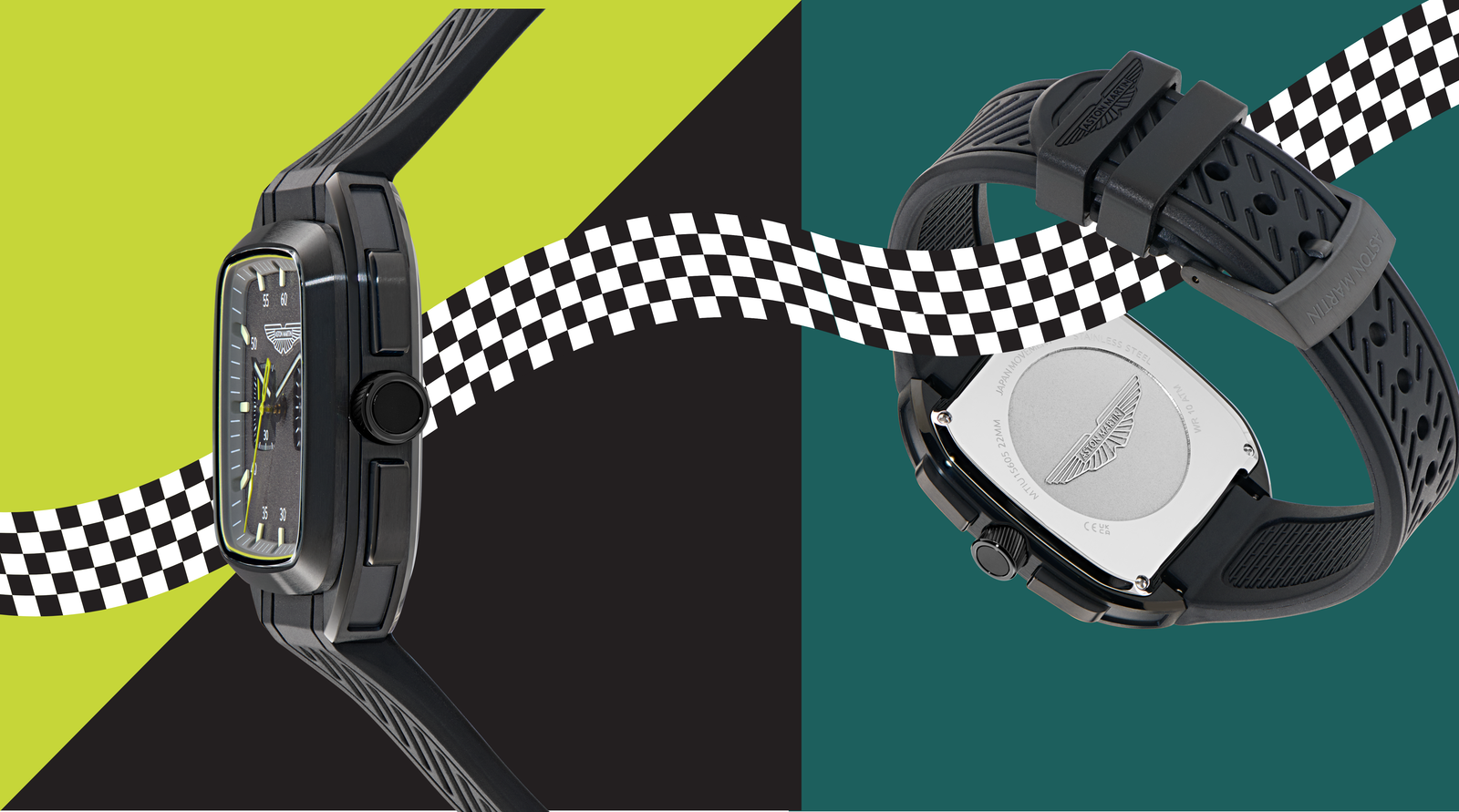
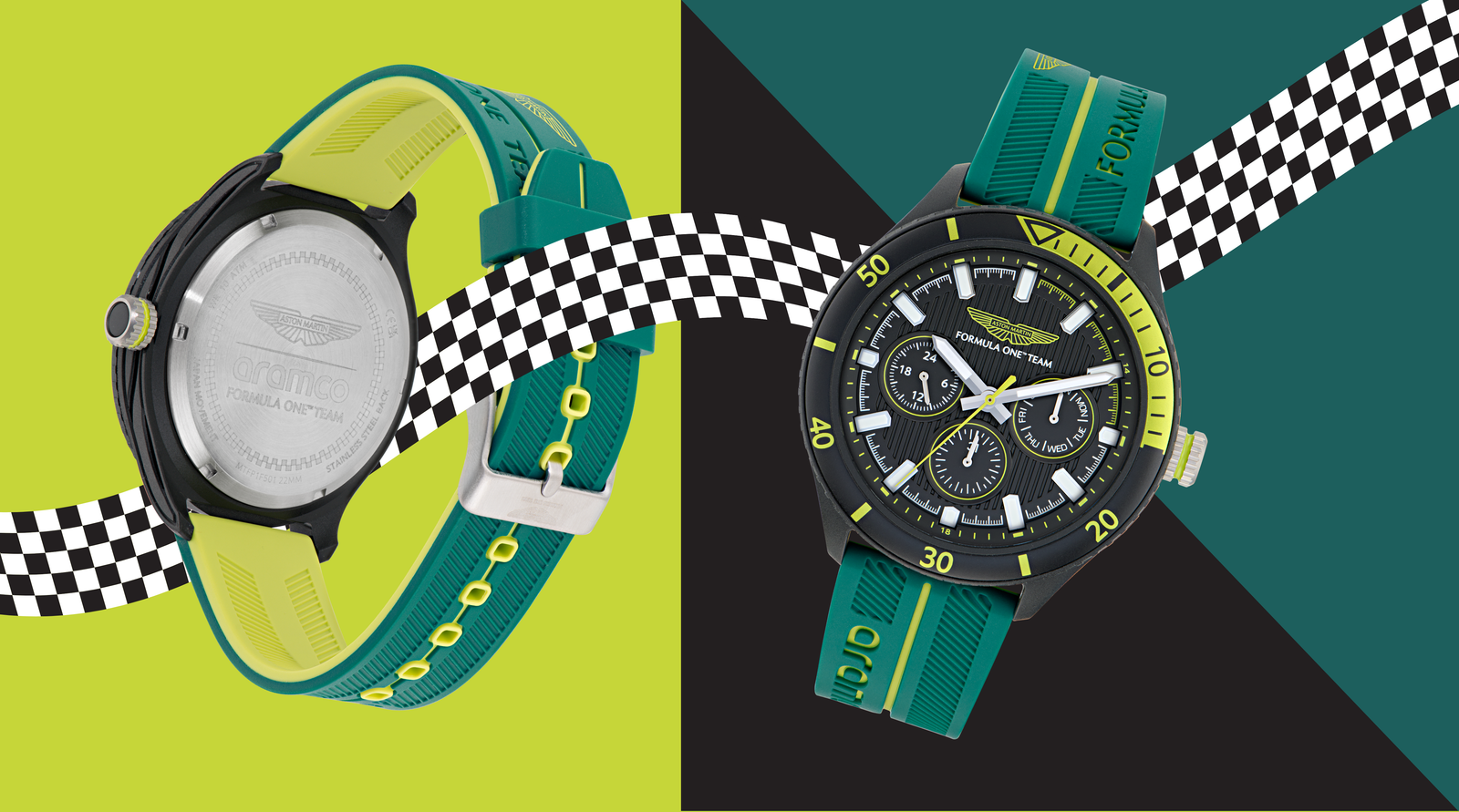
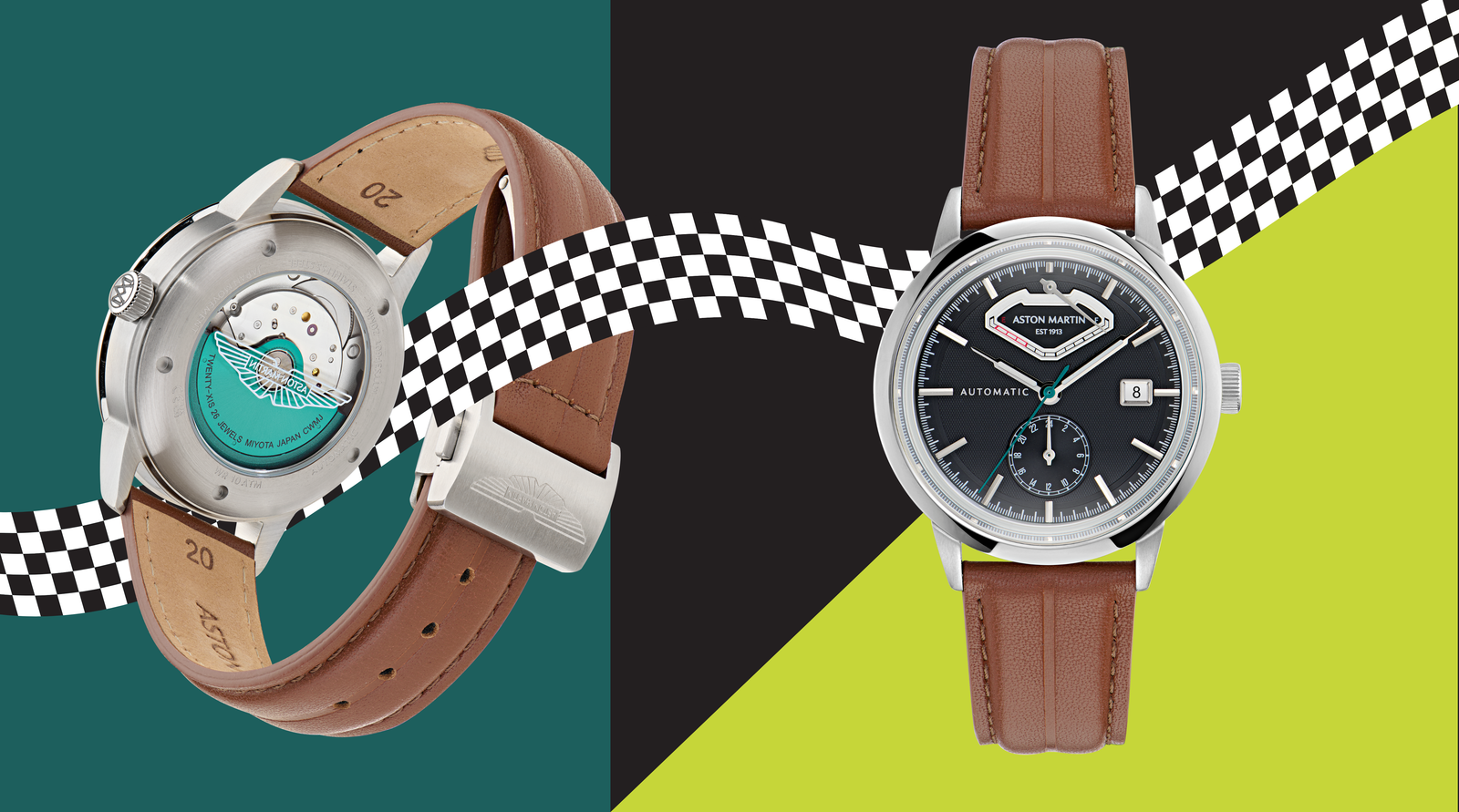
Somewhere in between, brands like Herbelin or Zeppelin strike that perfect balance between elegance and personality, while Maserati or Aston Martin elevate the whole look with a more aspirational approach.
Your watch doesn’t complement your style.
It defines it more than you think.
It defines it more than you think.
And here’s the key: when the watch truly fits you, it doesn’t stand out on its own. Everything flows. Everything makes sense.
HOW DO YOU KNOW WHICH WATCH FITS YOU?

Most people don’t get watches wrong because they lack good taste. They get them wrong because they don’t really know their own style. And that leads them to buy watches they like… but never wear.
If you really want to get it right, you need to stop thinking about watches and start with yourself.
1. IDENTIFY YOUR REAL UNIFORM
Open your closet in your mind. What do you wear 80% of the time?
– Shirts, blazers, neutral tones? → Classic style
– T-shirts, jeans, sneakers? → Casual / urban style
– Technical clothing, sportswear? → Active style
Your watch needs to fit there. Not your ideal version of yourself—your real life.
2. KNOW YOUR LEVEL OF PRESENCE
Do you like to stand out, or would you rather stay understated?
– Low profile → minimalist, slim, discreet watches (Mondaine, Bauhaus)
– Medium profile → balanced watches with thoughtful design (Herbelin, Zeppelin)
– High profile → watches with strong presence, size, or bold design (U-Boat, Philipp Plein)
3. DEFINE YOUR INTENTION
Every watch says something:
– Professionalism → Herbelin, Aston Martin
– Creativity → Montjuic, more distinctive designs
– Status / luxury → Versace, Maserati
– Functionality → Timex, Vostok Europe
If you don’t choose the message, the watch will choose it for you.
The mistake isn’t choosing an ugly watch.
It’s choosing one that has nothing to do with you.
It’s choosing one that has nothing to do with you.
TYPES OF WATCHES BASED ON YOUR STYLE

Every style has its own internal logic. Understanding it is what allows you to choose without hesitation.
MINIMALIST STYLE
- You’re looking for: order, clarity, visual balance. Nothing extra.
- Ideal watch: clean dial, slim indices, no complications.
- Why it works: it doesn’t compete with your outfit—it visually organizes it and brings a sense of control.
- References: Mondaine, Bauhaus.
CLASSIC / ELEGANT STYLE
- You prioritize: coherence, tradition, and timelessness.
- Ideal watch: slim case, leather strap, understated dial.
- Why it works: it never goes out of style and adapts to both professional and personal settings without friction.
- References: Herbelin, Zeppelin.
LUXURY / STATEMENT STYLE
- You’re looking for: presence. The watch is the centerpiece.
- Ideal watch: gold finishes, distinctive details, medium-to-large size.
- Why it works: it elevates any look and communicates status even with simple outfits.
- References: Versace, Maserati, Aston Martin.
URBAN / EXPRESSIVE STYLE
- You prioritize: standing out. The watch is part of your creative identity.
- Ideal watch: bold designs, unusual shapes, noticeable sizes.
- Why it works: it introduces contrast and turns the watch into a focal point.
- References: Montjuic, Philipp Plein.
FUNCTIONAL / ACTIVE STYLE
- You’re looking for: utility, durability, and practicality.
- Ideal watch: robust, readable, resistant.
- Why it works: it responds to your pace of life without asking you to adapt.
- References: Timex, Vostok Europe.
THE ROLE OF COLOR IN YOUR WATCH

Color is one of the most underrated elements when choosing a watch. And yet, it’s one of the things that most affects how your style is perceived.
It’s not just about whether you like one color or another. It’s about what it communicates, how it works with what you wear, and how it affects the balance of your whole outfit.
The exact same watch can look elegant, sporty, or even bold simply because of the color of its dial or strap. That’s why understanding the role of color is not a minor detail—it’s what allows you to move from “I like it” to “this really fits you.”
Brands like Mondaine work with neutral colors with almost iconic precision, while brands like Montjuic or Philipp Plein explore bolder, more expressive palettes.
- Black: Maximum versatility. Works with everything. Communicates control and elegance.
- Silver / Steel: Professional neutral. Ideal if you never want to get it wrong.
- Blue: More interesting than black, but just as wearable. Perfect for standing out without taking risks.
- Gold: Visual impact. Works if your style supports it. If not, it can throw everything off.
- Green / Burgundy: Colors with personality. They work best when the rest of the outfit is neutral.
Key rule: the more neutral your clothing, the more you can take risks with your watch.
BOLD COLORS (RED, ORANGE, YELLOW, BRIGHT BLUE…)

Bold colors are never neutral. They’re a decision.
A watch with a red, yellow, or bright blue dial will never go unnoticed. And that means it will influence your entire outfit.
Used well, they bring energy, personality, and a very strong point of difference. Used badly, they can completely break the coherence of your style.
HOW TO WEAR BOLD COLORS WITHOUT GETTING IT WRONG
1. LET THE WATCH BE THE STAR
If you choose a watch with an intense color, the rest of the look should be more neutral. Black, white, gray, or earth tones work as the perfect base.
2. REPEAT THE COLOR IN SMALL DETAILS
A touch in your sneakers, belt, or even your clothing can help the watch feel naturally integrated.
3. TAKE YOUR SKIN TONE INTO ACCOUNT
– Fair skin → deep blues, greens, or dark reds tend to work better
– Darker skin → warm colors like orange, yellow, or gold stand out especially well
4. USE COLOR AS A PERSONAL SIGNATURE
If you always wear neutral tones, a colorful watch can become your signature. Something that sets you apart without changing your entire style.
A colorful watch is not an accessory.
It’s a statement.
It’s a statement.
This kind of watch works especially well with urban, creative, or casual styles. Brands like Montjuic or even some bolder options from brands like Philipp Plein handle this approach very well.
The key isn’t whether you can wear color.
The key is how you choose to wear it.
MATERIALS AND STRAPS: THE FOUNDATION OF STYLE AND WRIST FEEL

When people talk about a watch, they usually focus first on the dial or the color. But a big part of its personality lives somewhere else: in the materials it’s made of and in the strap that goes with it.
This is where a watch can completely change its tone. Because the exact same design does not communicate the same thing in steel as it does in leather, and it does not feel the same with a metal bracelet as it does with a rubber strap. Materials don’t just affect durability or weight. They also determine the aesthetic tone of the piece, how comfortable it feels day to day, and the type of style it fits best with.
Choosing well means understanding what each option brings and what effect it creates overall. If you want your watch to genuinely fit you, this matters much more than it seems.
In more classic watches, like those from Herbelin or Zeppelin, steel and leather work in harmony to achieve a timeless aesthetic.
On the other hand, in bolder options like U-Boat, the materials reinforce the watch’s presence and character.
CASE MATERIALS: WHAT THEY COMMUNICATE AND WHEN TO CHOOSE THEM
- Stainless steel: the great all-rounder in watchmaking. Resistant, durable, and visually balanced, it works well in classic watches as well as sporty or urban pieces. It communicates solidity, visual clarity, and versatility. If you’re looking for a watch that’s easy to match and works in almost any context, steel is one of the safest choices.
- Gold-tone finishes: they bring presence, sophistication, and a more visible sense of luxury. They work especially well in elegant, bold, or more intentional styles. That said, they demand more coherence in the outfit. A gold-tone watch can elevate a look tremendously, but it’s also more noticeable when the rest of the outfit doesn’t support it.
- Black or dark brushed finishes: they project modernity, strength, and a more technical or urban aesthetic. They’re very useful if you want a watch with character—less classic and more contemporary. In brands with strong personality, like U-Boat, these finishes strongly reinforce the sense of visual impact.
- Polished vs. brushed cases: although often overlooked, the finish matters too. A highly polished case feels more elegant and formal. A brushed case communicates sobriety, sportiness, and less concern about marks from wear. If you want a watch for everyday use, brushed finishes are often more forgiving.

STRAPS AND BRACELETS: HOW THEY CHANGE THE WATCH’S STYLE
- Steel bracelet: adds structure, the feeling of a solid watch, and a versatile aesthetic. It can work in professional settings, casual looks, and even more polished outfits, depending on the case and dial design. It’s a very balanced option for someone who wants a versatile watch with presence.
- Leather strap: immediately changes the watch’s language. It makes it warmer, more classic, and in many cases more elegant. It’s ideal for refined styles, more formal outfits, or people looking for a timeless aesthetic. Brown tends to feel more relaxed and approachable; black, more sober and formal.
- Rubber or silicone strap: introduces a more sporty, active, and functional reading. It’s a great choice for watches designed for movement, summer, water, or intensive use. Visually, it makes the watch feel less formal and more dynamic, direct, and technical.
- Textile or NATO-style strap: brings a more laid-back, utilitarian, and casual feel. It has a lot of personality and works very well with relaxed, creative styles or those with a military or adventurous influence. It’s a less formal option, but a very interesting one if you want a watch with character without going over the top.
WHAT TO CHOOSE DEPENDING ON THE EFFECT YOU WANT
If you want a versatile watch that’s easy to pair: steel case with a metal bracelet or a sober leather strap.
If you want to project classic elegance: slim case, clean finishes, and a leather strap.
If you’re after a sportier or more active style: technical finishes with a rubber or durable textile strap.
If you want a piece with more visual impact: gold tones, more present cases, and bolder bracelets can work very well—provided they fit the way you dress.
A watch doesn’t change only because of its dial.
It changes completely depending on the material and strap that go with it.
It changes completely depending on the material and strap that go with it.
The best choice isn’t the most expensive or the boldest one. It’s the one that makes the watch feel coherent with you, your lifestyle, and the image you want to project. That’s where a watch stops being just a beautiful piece and starts truly working as part of your style.
YOUR WRIST SIZE CHANGES EVERYTHING

You can choose the perfect design, the ideal color, and a brand you love… and still feel like the watch doesn’t fully work on you.
In many cases, the problem isn’t the watch. It’s the proportion.
Your wrist size determines how any watch you wear will be perceived. A model that’s too large can feel disproportionate. One that’s too small can lose presence.
Understanding this is key, because when the size is right, everything flows: the watch integrates naturally, looks balanced, and truly enhances your style.
Besides diameter, the lug-to-lug distance and case thickness also matter. Two watches with the same size can feel completely different on the wrist.
HOW TO MEASURE YOUR WRIST
Use a measuring tape or a piece of string and measure the circumference:
– Less than 16 cm → small wrist
– 16–18 cm → medium wrist
– More than 18 cm → large wrist
WHAT SIZE TO CHOOSE
– Small wrist → 36–40 mm watches
– Medium wrist → 40–42 mm
– Large wrist → 42–46 mm
A watch that’s too large throws off proportion. A small one loses presence.
The best watch isn’t the prettiest one.
It’s the one that fits your wrist best.
It’s the one that fits your wrist best.
CHOOSE YOUR WATCH IN 3 STEPS

At this point, choosing a watch should no longer be a matter of doubt, but of clarity.
You’ve seen styles, materials, colors, and proportions. Now it’s time to simplify.
Because even though watchmaking has many nuances, the final decision can be summed up in something much simpler: understanding who you are, how you live, and what you want to communicate.
If you’re clear on that, choosing the right watch stops being complicated. It becomes almost obvious.
If you’ve made it this far, you already have something most people don’t: criteria.
And with criteria, choosing a watch stops being an impulsive decision and becomes a conscious one.
1. DEFINE YOUR REAL STYLE
Classic, minimalist, urban, sporty?
2. ADJUST SIZE AND MATERIAL
Wrist + use → the right size and strap.
3. CHOOSE THE MESSAGE
What do you want to communicate?
If it fits you, you’ll know.
And if you have to overthink it… it’s not the one.
And if you have to overthink it… it’s not the one.
WHEN THE WATCH BECOMES PART OF YOU

There comes a moment when you stop thinking about the watch you’re wearing.
Because it’s no longer something external.
It becomes part of the way you move through the world.
You choose it without hesitation. You wear it without thinking. And if you’re not wearing it, you notice.
That is the watch that defines your style.
It’s not the watch that defines your style.
You are the one who gives the watch meaning.
You are the one who gives the watch meaning.
TODAY IS THE DAY TO CHOOSE WHO YOU ARE
Today, on Day 5 of the Iguana Watch Week 2026, we want to invite you to look at yourself from a different place.
Not from what you need.
But from what defines you.
Choose a watch that doesn’t just fit you.
Choose one that speaks for you.
Do you have questions? Want a personalized recommendation? If you need anything, get in touch with us and we’ll be happy to help
Leave a comment
Comments will be approved before showing up.
Also in Iguana Sell Blog




50,000+ Satisfied Customers Our expert team is here for you Monday through Saturday — online or by phone.

60+ Official Brands Each item includes an official warranty, original packaging, and a signed warranty card.

15+ Years of Experience Specialists in writing instruments, watches, and premium accessories.

100% Secure Payment 0% APR financing available and fully encrypted transactions.